
The Wonder Years married the bewilderment of a child with the nostalgia of an adult; and for a generation, the TV show created by Carol Black and Neal Marlens is a time machine back to the sixties, youth and innocence. In today’s episode, we return to “The Wonder Years” with Carol Black and writer Titi Nguyen to reflect on childhood with the help of Kevin Arnold.
From the theme song to the super-eight home movies in the opening credits, The Wonder Years, is steeped in nostalgia. Through a wistful narrator, it takes the audience back inside the mind and heart of a pre-adolescent boy as he tries to make sense of how the sixties impact his family. We all live at the intersection of our personal lives and the historical events around us. We grow up focused on the personal until one day we realize how history shapes us. For Titi Nguyen, her birthplace, Vietnam, loomed in the background of her childhood, but since her parents never spoke of the place or the war they’d fled, Titi turned to the TV, specifically The Wonder Years, to make sense of her story.

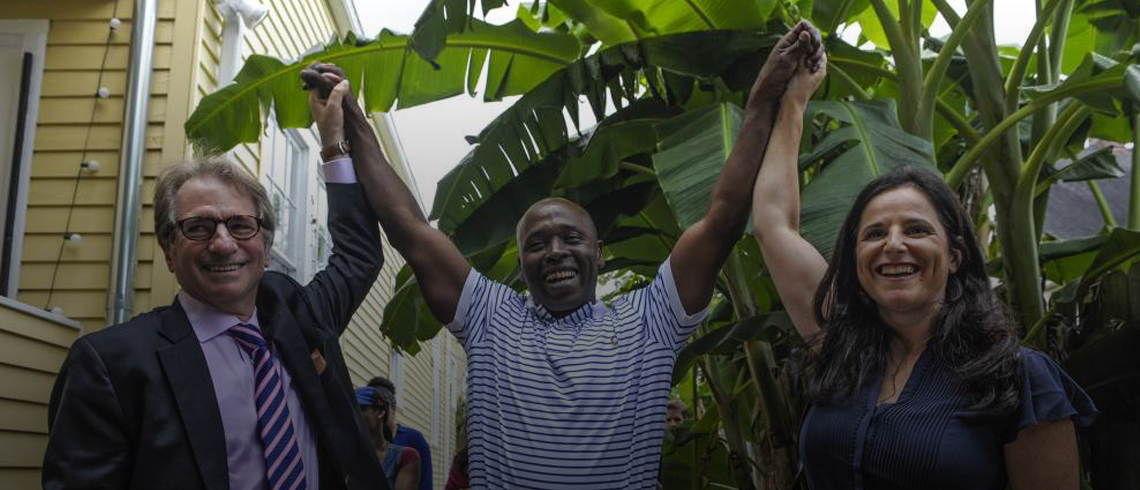
 Nathan Brown was exonerated on June 25th, 2014 after serving nearly 17 years for an attempted rape that he did not commit. Brown was 23 years old when he was convicted, and was eventually exonerated on the basis of DNA evidence. His conviction depended upon an eyewitness identification known as a “show-up,” where the suspect is presented to the victim shortly after the crime and, in Nathan’s case, at the scene of the crime. As the Innocence Project reports, “in eyewitness identifications, witness memory is impacted by a variety of factors that occur from the time of the crime onwards, and their memories can be easily contaminated. Scientific studies (particularly in the last three decades) have affirmed that eyewitness identification is often inaccurate and that it can be made more accurate by implementing specific identification reforms that prevent memory contamination.”
 Dr. Julia Shaw’s study “Constructing Rich False Memories of Committing Crime,” reveals our susceptibility to adopt false memories when led to recount a story that didn’t occur, even when the story is a crime we committed. The Innocence Project reports that “more than 1 out of 4 people wrongfully convicted but later exonerated by DNA evidence made a false confession or incriminating statement.” Dr. Shaw’s study shows us how one might admit to a crime they didn’t commit, how easily fact and fiction can become blurred in our remembering.





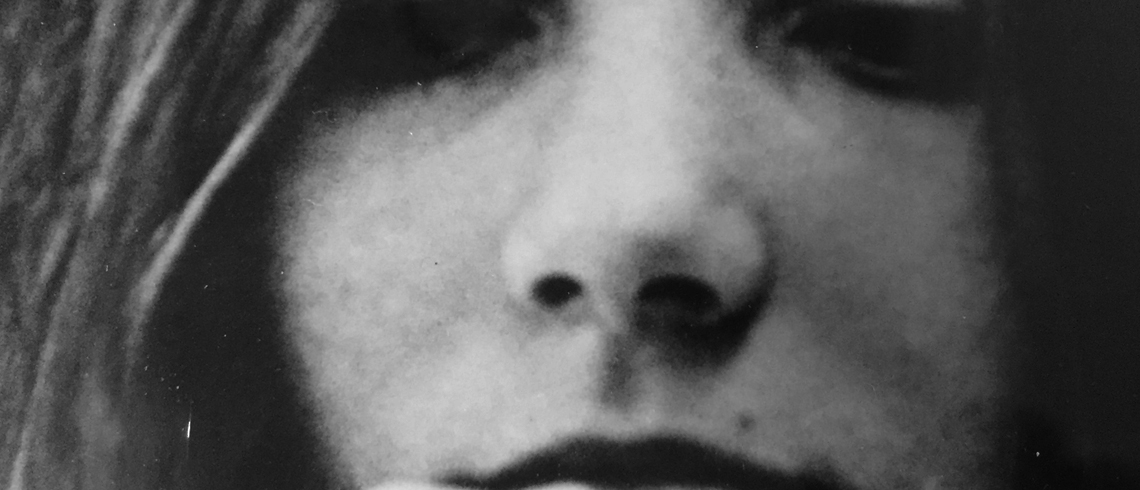
 Autobiographical memories are the stories we tell ourselves, but they’re also a window into other people’s experiences. They’re one of the best ways we have to connect to one another, which is why they’re critical to the bonding process within relationships, families and communities. But what if one person desperately wants to forget, and the other person desperately wants to remember? That’s Rachel Stephenson’s story.